
Electricity Generation
Converting the Priceless Resources of
Waste and the Power of Nature into Energy
To achieve carbon neutrality by 2050, it is extremely important to find ways to recycle unused resources that have so far been disposed of as waste.
While working for the establishment of resource recycling systems that maximize the circulation, we are also striving to steadily operate existing facilities,
the operation of new facilities, and establish Local Circular Ecological Spheres centered around energy centers. Through these efforts,
we efficiently generate energy from valuable resources once considered waste,
advancing measures to save energy at our facilities and effective energy utilization within local communities.
Aiming for a sustainable society
through the effective use of waste-to-energ
Waste biomass power generation
Power generation and heat utilization using waste as an energy source
Biomass is a general term for organic energy resources produced from plants, animals,
and other living organisms, generally excluding fossil fuels. We supply heat and electricity obtained from various waste materials in addition to biomass resources, both within and outside the group.
Facilities
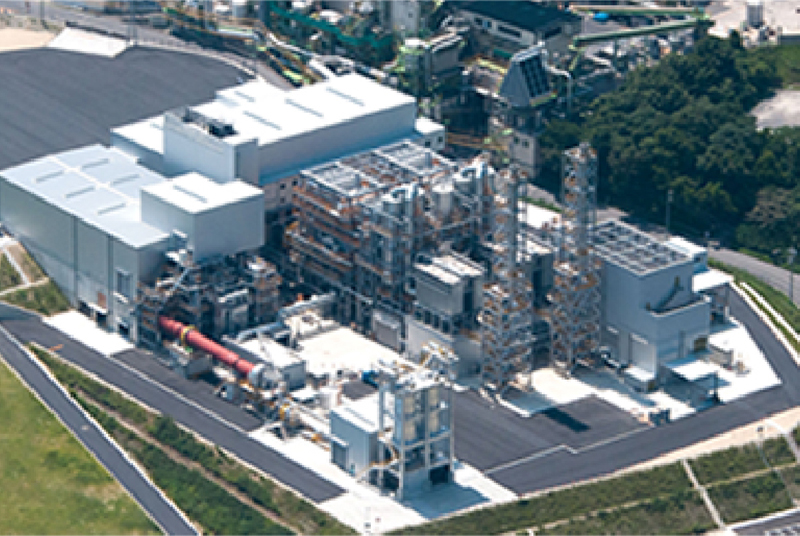
Mie Recycle Center Energy Plaza
(Iga City, Mie Prefecture)Permitted capacity: 636 t/day (incineration), 187 t/day (roasting)
Rated power generation capacity: 4,050 kWThis facility supplies heat and electricity obtained from waste, both within and outside the group. Incinerated ash is recycled into materials for civil engineering purposes in a roasting furnace. This unique recycling system combines the effective use of energy and material recycling.
Energy Plaza(JP)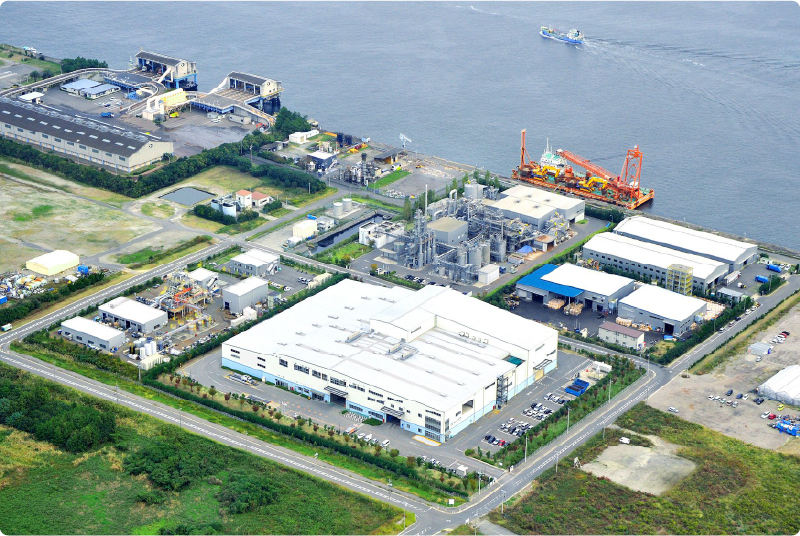
DINS Kansai Bioethanol Recycle Center
(Sakai City, Osaka Prefecture)Permitted capacity: 86 t/day (incineration)
Rated power generation capacity: 1,950 kWThis facility produces bioethanol from biomass materials such as waste wood, waste juice, and waste alcohol. Waste wood that is not suitable as a raw material for ethanol is recovered as steam and electrical energy in a power generation facility within the plant, and used within the facility. Any surplus electricity is sold back to the grid.
DINS Kansai Website(JP)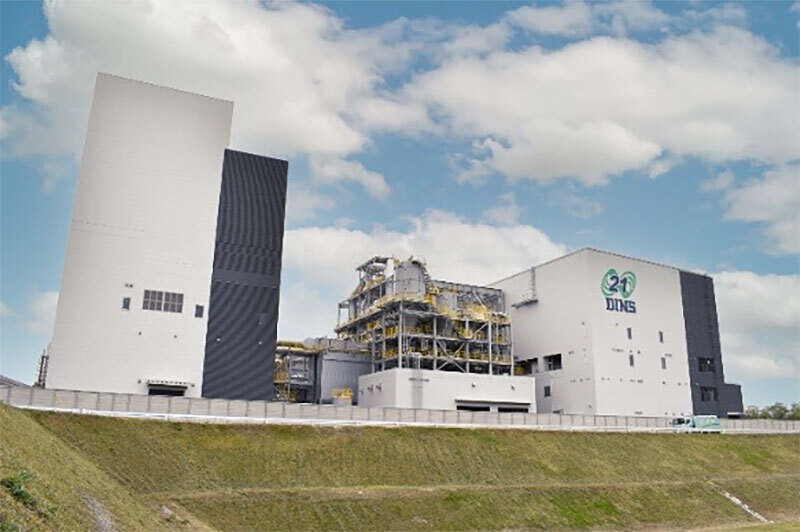
Miki Biomass Factory
(Miki City, Hyogo Prefecture)Permitted capacity: 440 t/day (incineration)
Rated power generation capacity: 11,700 kWThis facility is under construction with the aim of start-ing operation in 2023. It will generate power by co-firing various waste materials and biomass resources such as waste wood and food scraps generated in the region. In addition to selling surplus electricity back to the grid, we are also considering ways to return the benefits of the factory back to the local community, such as through the use of thermal energy.
Miki Biomass Factory Press Release(JP)
Biogas power generation
Electricity generation using methane recovered from organic waste
Biogas power generation is a system that generates electricity by recovering methane from biomass resources, using gas engines.
Facilities
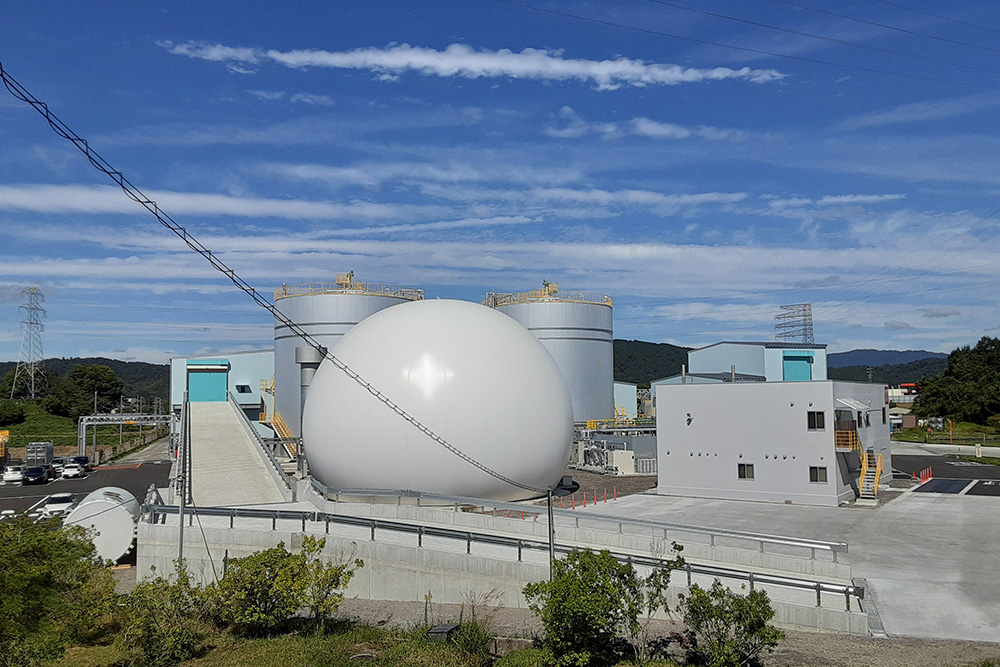
Iga Recycle Center Methane Fermentation Facility (Iga City, Mie Prefecture)
Permitted capacity: 320 t/day
Rated power generation capacity: 1,980 kWAt the methane fermentation facility, biogas is extracted from organic waste (food scraps, organic sludge, liquid waste, etc.) through the action of methane bacterium, and this biogas is used for power generation.
Methane Fermentation Facility Press Release(JP)
Establishment of Local Circular Ecological Sphere
The future society that the Daiei Kankyo Group aims for
Due to population decline, an increasing number of municipalities are facing lack of funds for upgrading their waste management facilities. To address the situation, we are working to build a self-sustaining and decentralized society, called a “Local Circular Ecological Sphere," centered around a local energy center where general waste and industrial waste are integrally treated through public-private partnerships. This initiative aims to resolve local issues while utilizing local resources.
Expansion of New Incineration and Other Heat Treatment Facilities
Aiming for the formation of a sustainable recycling-oriented society
The Daiei Kankyo Group is not only working to ensure the stable operation of existing facilities but also promoting the expansion of its facilities. We aim to increase its total incineration treatment capacity to 4,000 tons per day by the end of the fiscal year ending March 31, 2031.
Facilities
-
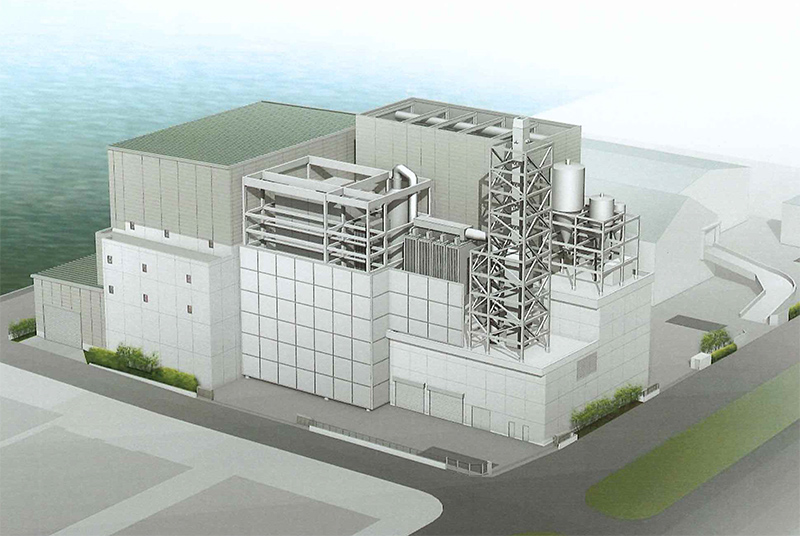
Conseptual image of completed facility
Construction started in Feb. 2026
Daiei Kankyo Co.,Ltd.-Nishinomiya Recucle Center:Nsihinomiya Energy Plaza
Permit capacity:220t/day
Power generation capacity:4,650kW
Start of operations:Scheduled for Dec. 2028 -
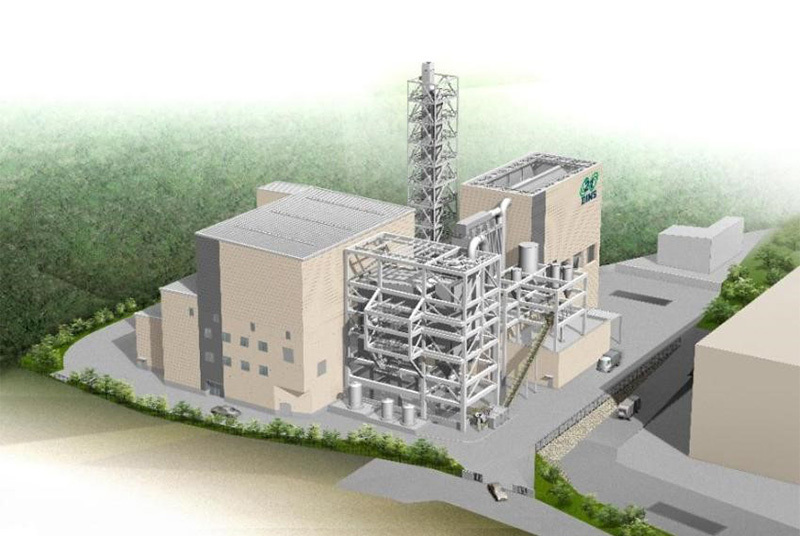
Conseptual image of completed facility
Construction started in Mar. 2025
Daiei Kankyo Co.,Ltd.-Izumi Recucle Center:Nsihinomiya Energy Plaza
Permit capacity:220t/day
Power generation capacity:4,810kW
Start of operations:Scheduled for Mar. 2030
Supplying heat to the region
Trans-Heat Container
We developed the Trans-Heat Container System. This system can be used to store thermal energy in a small container, which in the past could only be transported using a purpose-built large trailer. The system delivers approximately 1,820 mega-joules of thermal energy per transportation to the Sunpia Iga hot spring hotel facili-ty, where it is used for the natural hot spring.
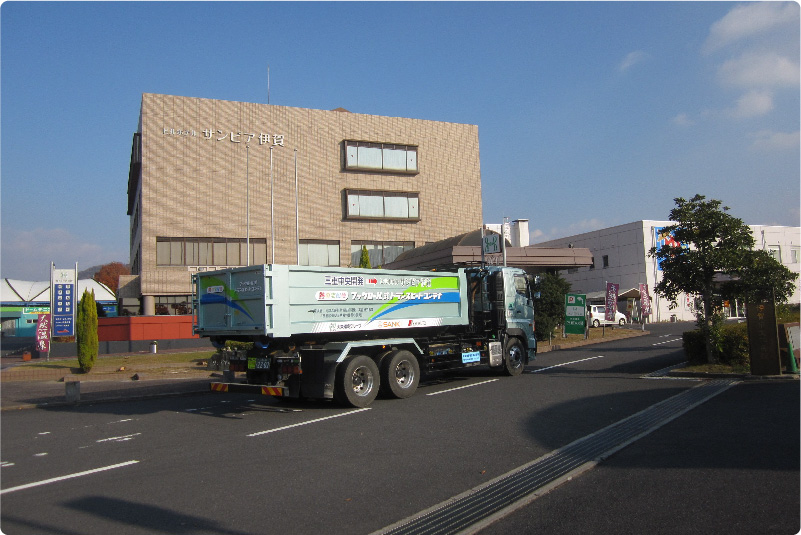
How the Trans-Heat Container thermal delivery service works
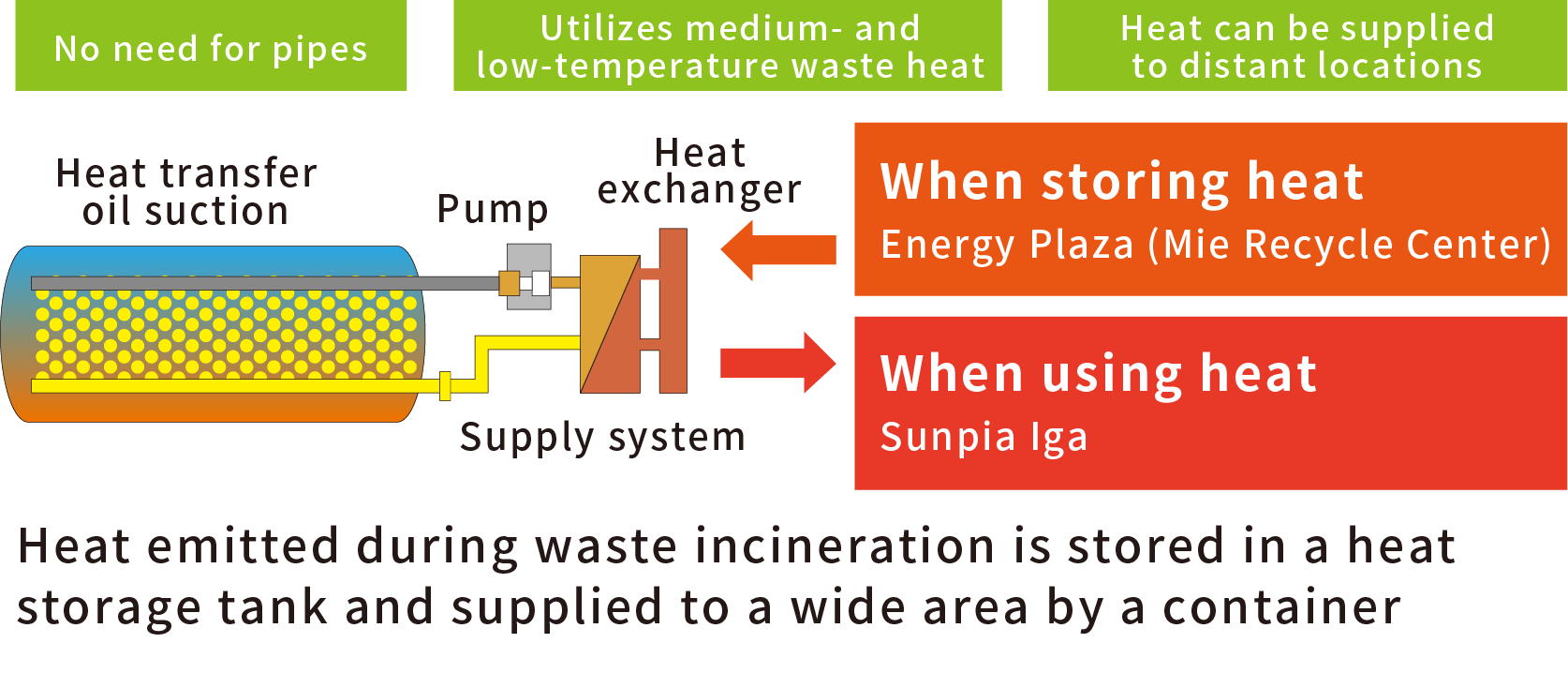
*The Trans-Heat Container thermal delivery service is a registered trademark of Sanki Engineering Co., Ltd
Reuse of landfill-completed sites
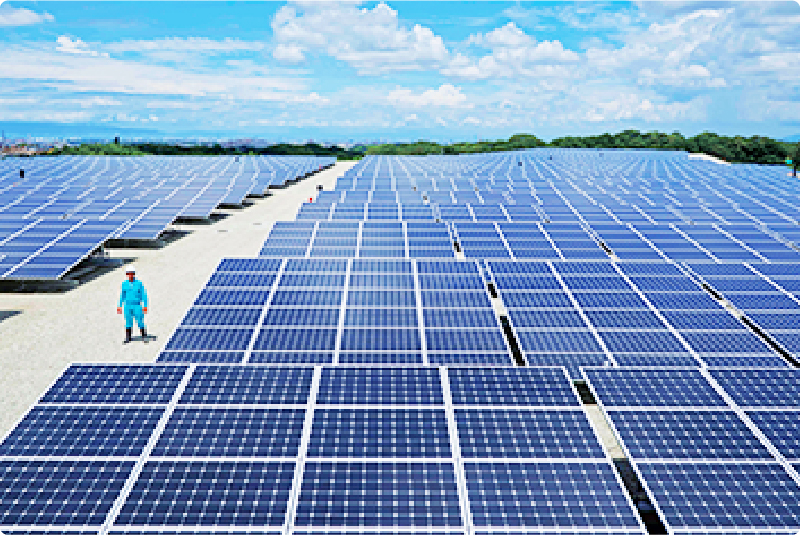
Solar power generation
Creating renewable energy by utilizing former landfill sites
Approximately 5.5 million kWh of electricity is generated annually.